
ANALYSIS: Kigali’s HealthTech Summit drew a crowd. Can it deliver healthier lives?
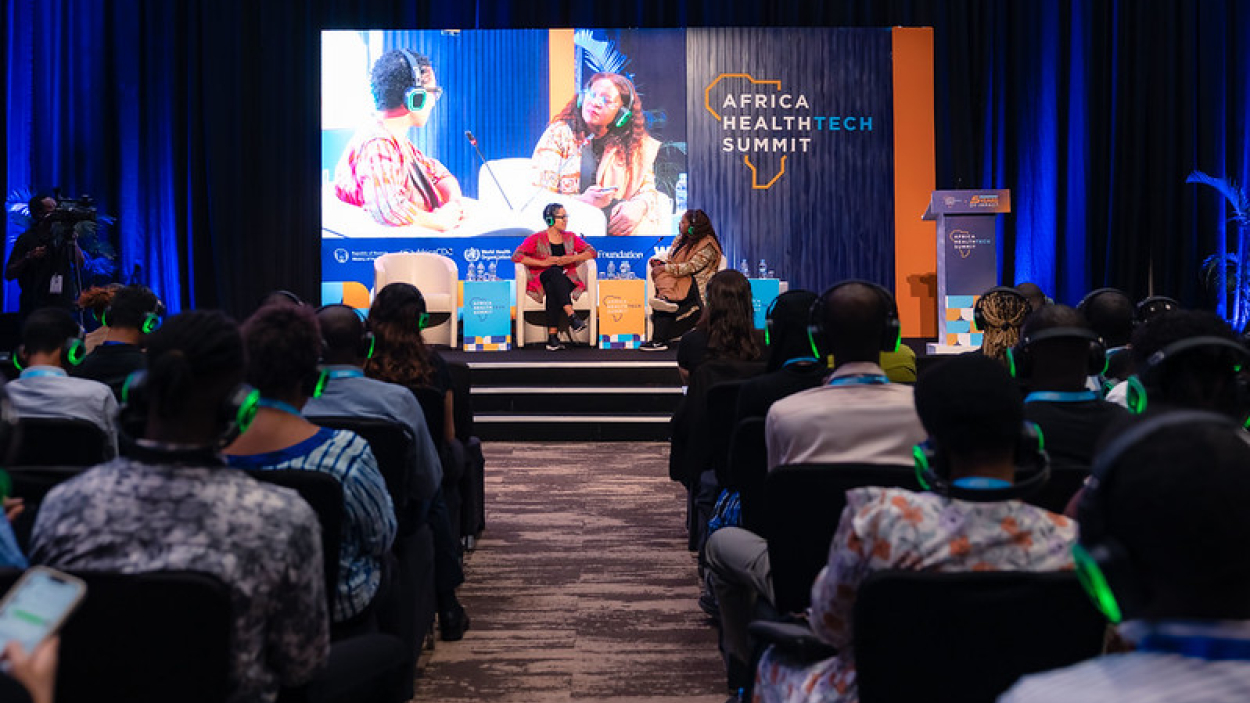
DAY 3 - AFRICA HEALTHTECH SUMMIT (Courtesy Photo)
Business Insights Africa | Analysis
Kigali, 5 October 2026
The fifth Africa HealthTech Summit (AHTS) closed in Kigali last week with a question that its expanding audience cannot answer through discussion alone. What will change for patients after the delegates leave?
Held from 30 September to 2 October under the theme “Wellness for All, Powered by Intelligent Health Systems”, the summit brought together leaders from health, government, technology and investment. Its programme covered primary healthcare, sexual and reproductive health and rights, noncommunicable diseases and mental health.
Organisers said the fifth edition drew more than 5,600 people. That points to growing interest in African health innovation, but conference attendance does not measure public health progress. A larger audience does not show whether clinics function better, diagnoses arrive earlier, or treatment becomes more affordable.
The evidence supports a measured assessment. AHTS is creating credible links between policymakers, investors and innovators. Less clear is whether those connections will produce lasting improvements in healthcare delivery.
The summit’s emphasis on wellness was important. Health technology debates can become dominated by products, platforms and artificial intelligence, while paying less attention to the conditions that help people remain healthy.
By placing prevention, nutrition, mental health and chronic disease alongside digital infrastructure, AHTS moved the conversation beyond how healthcare can become more technological. The more important question is whether technology can make healthcare more accessible, effective and useful.
That sets a demanding standard for innovators. Even the most sophisticated application has limited value if patients cannot afford it, clinicians cannot fit it into existing workflows, or information cannot move between facilities. Intelligent health systems depend on reliable infrastructure, trained workers and accountable institutions as much as they depend on software.
Summit leaders acknowledged that implementation remains the central challenge. Africa CDC Director-General Jean Kaseya described the summit’s role in turning “policy intention into deployed health infrastructure”.
Rwanda’s Health Minister Sabin Nsanzimana highlighted the people “who actually have to implement it”, while ICT Minister Paula Ingabire pointed to connections “between government, investors and innovators”. These remarks set an appropriate standard against which the summit should be assessed.
The Deal Room was one of the clearest attempts to move beyond speeches. Opening-day reporting recorded 22 scale-ups, 13 confirmed investors and 31 arranged meetings. Summit chairman Jean Philbert Nsengimana also challenged the sector to produce its first billion-dollar company within five years.
Such meetings can shorten the distance between entrepreneurs and potential backers. Their real value, however, emerges only when discussions lead to committed financing, partnerships with clear delivery obligations and solutions that enter routine use.
There is some precedent. In a pre-summit interview, Nsengimana said Diagnostics AI met the Steele Foundation for Hope at the previous edition. Within weeks, the foundation invested $3.1 million as part of a larger $6 million funding round. The company is developing a stethoscope intended to support earlier tuberculosis detection.
The case shows that summit connections can attract capital. It does not yet demonstrate improved clinical outcomes, and the investment followed the previous edition rather than the 2026 summit. The distinction between mobilising funding and improving health must remain clear.
Another practical initiative came through a session convened by Transform Health and UNICEF to introduce a Digital Health and AI Investment Classification Framework. Developed with a steering committee that included WHO, OECD, the World Bank and the Global Fund, the framework is intended to support investment mapping, budgeting and planning.
If adopted, it could help governments track digital-health spending, identify duplication and align investment with national priorities. Its presence in the programme, however, does not mean governments have adopted it or changed their budgets.
This matters because successful pilot projects can conceal weak operating models. Equipment requires maintenance, software needs continued support and health workers need ongoing training. A programme that succeeds under temporary donor funding may struggle after that support ends.
Before the summit, Nsengimana put the obligation plainly: “We should not only talk about working together; we should demonstrate results and impact.”
Investment totals alone will not provide that evidence. In the closing remarks, Nsengimana said discussions examined who makes decisions for women, how African capital shapes health priorities and whether assistive technology becomes part of inclusive systems.
“These were not ceremonial closing conversations,” he said. “They went directly to the questions of power, ownership and accountability that will determine whether innovation produces real change.”
That is a substantive agenda, but inclusion must extend beyond representation on conference panels. It should shape which health problems receive funding, whose data informs new technologies and whether people with disabilities or limited digital access can use the resulting services.
The verdict awaits delivery
Dismissing AHTS as a talk shop would overlook its investor-matching programme, financing discussions and reported record of connecting companies with capital. The next step should be a public outcome tracker listing commitments, responsible institutions, financing, deadlines and results. Kigali brought together people with the influence and resources to change African health systems. The summit’s lasting significance will depend not on the size of its audience, but on what its participants deliver before they return.