
10 reasons why 2026 may not be business-as-usual for traditional NGOs in Africa
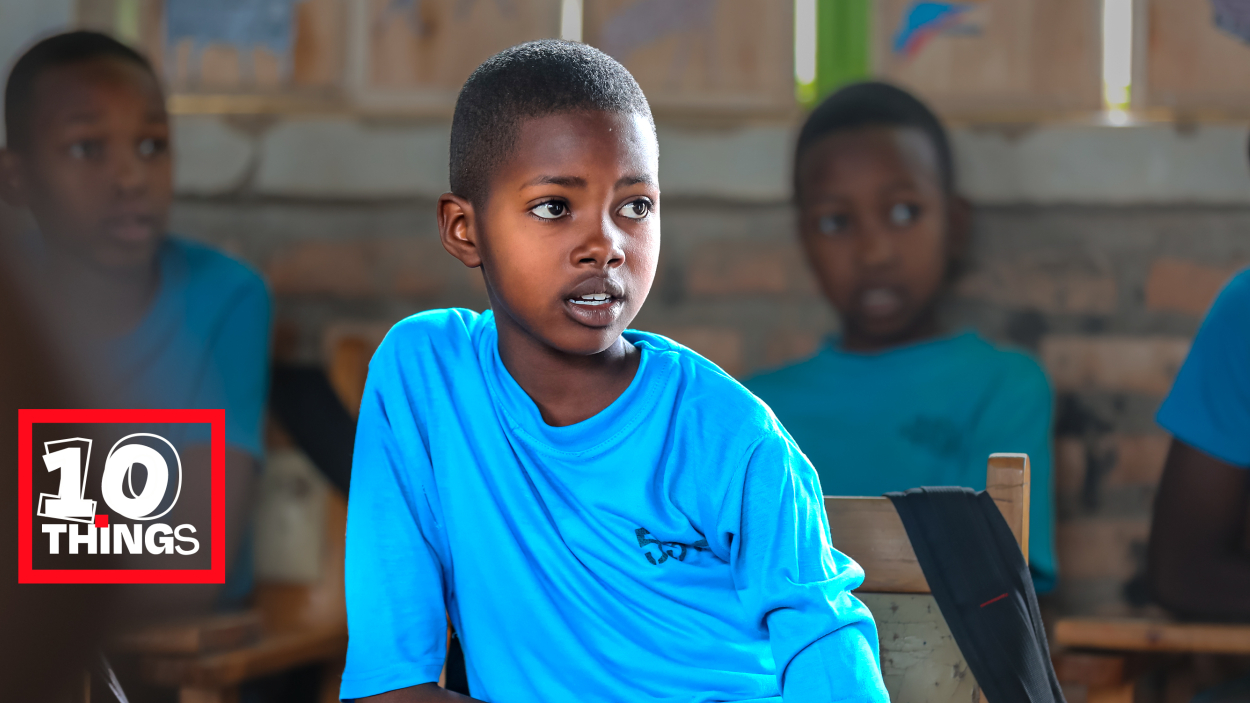
A young Rwandan learner, one of many beneficiaries of donor-funded inclusive education initiatives. (Photo: Courtesy)
As 2026 unfolds, the landscape of international development is undergoing significant changes. For decades, non-governmental organisations (NGOs) have played a key role in delivering aid, influencing policy discussions, and supporting communities across Africa.
Today, however, a combination of funding realignments, shifting government priorities, private-sector involvement, and expanding local capacity is transforming how development work is organised and implemented. These changes do not signal the end of NGOs, but they do suggest that the traditional NGO operating model is under increasing pressure.
Below are ten key trends that help explain why 2026 is shaping up to be a crucial year for NGOs working in Africa.
Donor funding realignment towards governments
USAID, historically the largest bilateral donor, managed over S$40 billion in combined appropriations in 2023, with Africa receiving a significant portion. By 2025, its closure affected many programmes, with estimates indicating that up to 83% of aid initiatives were affected. This shift has impacted NGOs that were highly dependent on USAID funding.Beyond the US, bilateral donors such as the UK’s Foreign, Commonwealth & Development Office (FCDO) and the EU are increasingly directing funds to governments or multilateral organisations. By 2025, 62% of official development assistance will follow this route, up from 48% in 2018, leading NGOs to compete for a smaller share of available funding. In countries such as Rwanda, Uganda, and Ghana, several donors have shifted towards government-to-government partnerships.
- Funding is becoming shorter-term and more transactional
A 2025 pan-African survey found that 38.3% of African NGOs lost more than half of their funding, as donors preferred short-term, results-based contracts over multi-year core support. As a result, many organisations report difficulties in maintaining long-term programmes, advocacy efforts, and operational costs. The same survey indicated that 72.9% of NGOs were not confident about their financial sustainability beyond 2026 without new sources of funding, highlighting the fragility of current funding models.
- Regulatory scrutiny is increasing in several countries
Across parts of Africa, governments are tightening regulatory oversight of NGOs, especially those with external funding. In Uganda, for instance, the number of registered NGOs dropped from about 14,000 in 2019 to 5,021 in 2023, due to stricter compliance requirements, funding gaps, and operational challenges. Similar patterns are seen elsewhere, where increased administrative burdens and compliance costs are adding pressure on NGO activities.
- Donor fatigue and declining core funding
According to the Development Initiatives 2025 Report, core institutional funding to international NGOs decreased by 14–19% between 2022 and 2025. Many mid-sized NGOs reported budget cuts of 30–50% by the end of 2025. Several large organisations underwent restructuring during this period. ActionAid reduced its global workforce by 25%, while Oxfam, World Vision, CARE, and Save the Children scaled down operations or closed country offices in parts of Africa. By April 2025, at least 81 NGOs had reported office closures, furloughs, or wage reductions.
- Internal organisational pressures are growing
Funding volatility has also revealed internal challenges within NGOs. In some instances, high executive pay relative to staff wages has led to talent loss, as skilled professionals move to the private sector, social enterprises, or corporate foundations that offer greater stability. These pressures have led to further restructuring across the sector, impacting staff morale, institutional memory, and programme continuity.
- The global aid architecture is tightening
Western governments are re-evaluating development budgets due to domestic pressures. The UK’s FCDO budget, for example, is expected to decrease from £9.3 billion in 2024/25 to £6.8 billion by 2026/27, a drop of over £3 billion. Similar trends are emerging among other European donors, speeding up changes to long-established development financing models.
Corporate and philanthropic actors are now playing a larger role
Private foundations, corporate social investment vehicles, and blended finance mechanisms are becoming increasingly prominent in Africa’s development landscape. Organisations such as the Mastercard Foundation, Bezos Earth Fund, Lego Foundation, and Chan Zuckerberg Initiative now allocate funding at levels comparable to, or exceeding, those of many traditional NGO programmes. In 2025 alone, the Mastercard Foundation pledged $1.2 billion to support youth employment in Africa, primarily through partnerships with governments, private companies, and social enterprises.The Bezos Earth Fund has pledged over $75 million to support African restoration efforts, focusing on nature-based solutions and landscape revitalisation across the continent. Impact investors report quicker scaling and, in some cases, higher impact per dollar than traditional NGO-led projects.
- Public trust and ownership dynamics are evolving
The 2025 Edelman Trust Barometer (Africa) showed that trust in NGOs declined to 48%, down from 61% in 2020. In Rwanda, citizen perception surveys in 2024 indicated that only 41% of citizens trusted international NGOs, compared with 78% who trusted government institutions. Across the continent, governments are emphasising greater national ownership, alignment with development plans, and reducing dependence on externally driven initiatives.
- Localisation is reshaping implementation roles
Localisation agendas increasingly direct funding through governments or nationally controlled entities. In Rwanda, for example, NGO projects are reviewed by the Rwanda Governance Board, while institutions such as RDB and the Rwanda Green Fund directly oversee climate and green mobility initiatives.
Similar trends can be observed in Nigeria, Ethiopia, and other countries, where state-led agencies now carry out programmes previously managed by NGOs, thereby reducing NGOs’ role as the main implementers.
- 10. Social enterprises and hybrid models are gaining ground
In response to funding uncertainty, many organisations are transitioning to social enterprise or hybrid models that combine commercial sustainability with social impact. These models are increasingly active in sectors such as energy, agriculture, education, and WASH. According to Acumen’s 2025 portfolio data, social enterprises achieved three to five times more impact per dollar compared to comparable NGO-led interventions, accelerating their adoption.
Looking ahead
By 2026, traditional NGOs will not vanish, but their roles will evolve. In middle-income and high-capacity countries such as Rwanda, Kenya, Uganda, Ghana, and Nigeria, development delivery is increasingly led by governments, private sector actors, social enterprises, and nationally rooted institutions. NGOs that remain influential are adjusting, shifting towards technical assistance, advocacy, research, and specialised implementation roles. The development sector is not ending, but it is being reconfigured to reflect changing realities, expectations, and capacities across Africa.
The writer is a Development Communications Specialist and can be reached at keziomusoke@inspire.co.rw